Key Takeaways
- Coordinated sabotage has forensic signatures. Multiple 1-star reviews with identical language, posted within days, from accounts with no order history, timed to coincide with your business events or when your rating rose — these patterns point to deliberate attack, not organic feedback.
- Collect IP addresses, email patterns, and linguistic analysis. Google and review platforms log metadata that proves where reviews came from. Clustering data shows if multiple reviews originate from the same device, location, or email domain associated with a competitor.
- File disputes with forensic evidence. When you report competitor-posted reviews to Google citing spam or fake engagement policy violations, include your analysis of coordinated patterns. Evidence of IP clustering, AI-generated signatures, or timing anomalies accelerates removal.
- Legal remedies exist for proven sabotage. You can pursue tortious interference, defamation, unfair competition, or cease-and-desist letters when you have documented proof a competitor posted fake reviews. Damages recovery is possible if you can prove economic harm.
- Automated monitoring detects attacks early. Reputation systems that flag sudden rating drops, cluster reviews by language and posting pattern, and alert on suspicious activity catch sabotage within hours, not weeks.
- What is competitor sabotage in reviews?
- Red flags: how to detect a coordinated fake review attack
- Gathering forensic evidence: IP addresses, emails, and linguistic analysis
- Fake review signatures: how to identify AI-generated and templated attacks
- Filing disputes with Google: evidence requirements and timeline
- Legal action: defamation, tortious interference, and cease-and-desist letters
- Prevention and ongoing detection: automated systems and competitive intelligence
Competitor sabotage through fake reviews is not a new phenomenon — it is just more sophisticated than it used to be. A decade ago, the signs were obvious: a single competitor would post a crude, one-off fake review, and it would be easy to dismiss or remove. Today, sabotage is coordinated. Multiple accounts post nearly identical complaints within a 48-hour window. Review text is generated using templates or AI to avoid detection. Accounts are created with legitimate-looking profiles but zero order history. Posting times are staggered to avoid automated spam filters. And the attack often coincides precisely with moments when it would hurt the most — when your business just achieved a higher rating, announced a new location, or won a major customer.

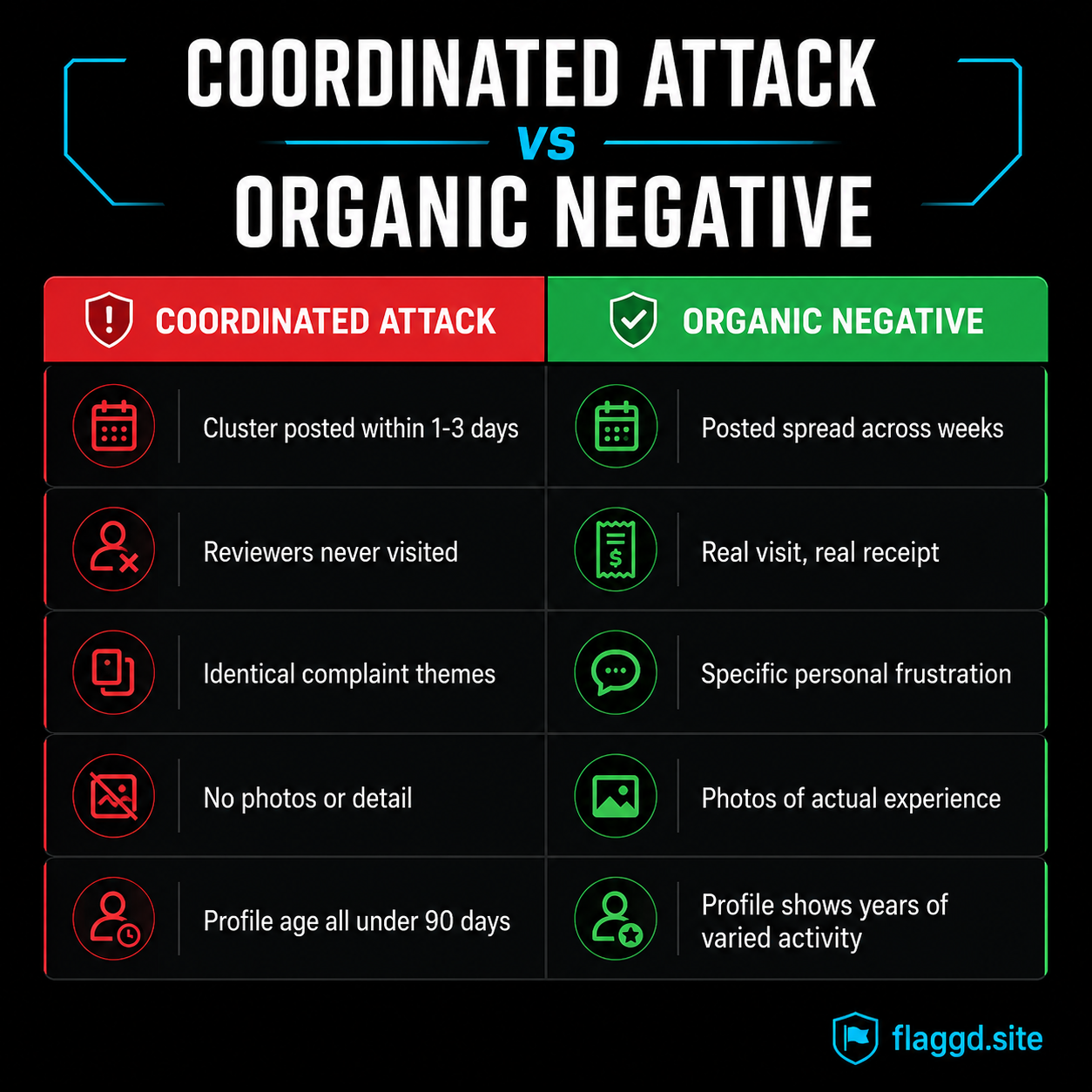
When it happens to your business, the impact is immediate and quantifiable. A single review drops your rating by 0.1–0.2 stars. Three coordinated reviews in one day can drop you 0.3–0.5 stars. Five reviews over a week can tank your rating from 4.7 to 4.2. That gap translates directly to lost clicks, lost calls, and lost revenue. Unlike organic negative reviews, which tend to come from real customers with real grievances (and therefore real data you can use to improve), sabotage reviews carry no value. They are pure damage with no signal.
The difference between a sabotage attack and a natural review downturn is forensic. Natural reviews show variance — different reviewers, different complaints, different language. Sabotage shows patterns — coordinated timing, repetitive complaints, linguistic markers that suggest AI generation or templating, and metadata (IP addresses, email domains, account creation dates) that clusters tightly around a single source or a small set of sources. Your job is to identify those patterns, collect the evidence, file disputes with that evidence, and if necessary, escalate to legal action. This guide covers the full forensic framework: how to recognize sabotage, what evidence to gather, how to dispute it with Google, and what legal remedies exist when sabotage crosses the line into tort or defamation.
What is competitor sabotage in reviews?
Competitor sabotage is the deliberate posting of fake reviews targeting a business by a rival, a disgruntled former employee, or a coordinated third party hired by a competitor. It differs from organic negative reviews in one critical way: the reviewer has no genuine experience with your business. They are posting feedback about something they never experienced, which means their review violates Google's content policy (fake engagement, conflict of interest, spam) even before you consider whether the statements are true or false.
Sabotage is more common than most business owners realize. A 2024 industry survey of local business owners found that 23% reported suspecting competitor sabotage in the previous 12 months. Of those, 31% had evidence strong enough to file disputes with confidence. The actual rate is likely higher — many businesses don't investigate their negative reviews thoroughly enough to recognize coordinated patterns.
The competitors most likely to attempt sabotage share common characteristics. They are typically in the same geographic market (competing for the same customers), they operate at similar price points (making them direct substitutes), and they have enough business maturity to know that online reputation affects customer acquisition. A plumber sabotaging another plumber's reviews is more likely than a plumber sabotaging an insurance agent — but it does happen across industry boundaries when a single market area has intense competitive pressure.
Some sabotage attacks are born from desperation. A business sees a competitor pulling customers away and decides that a direct assault on rating is cheaper than improving their own service. Others are retaliatory — sparked by a lost client, a pricing war, or a negative review that the would-be saboteur left on the victim's business. A small number are professional hits, where competitor A hires a reputation management service to suppress competitor B. Each type leaves forensic signatures that can be detected and documented.
Red flags: how to detect a coordinated fake review attack
The first step in defending against sabotage is recognizing it is happening. Most businesses do not actively monitor their review stream — they glance at their rating when someone mentions it, but they do not audit the reviews themselves for patterns. That passivity is the saboteur's greatest advantage.
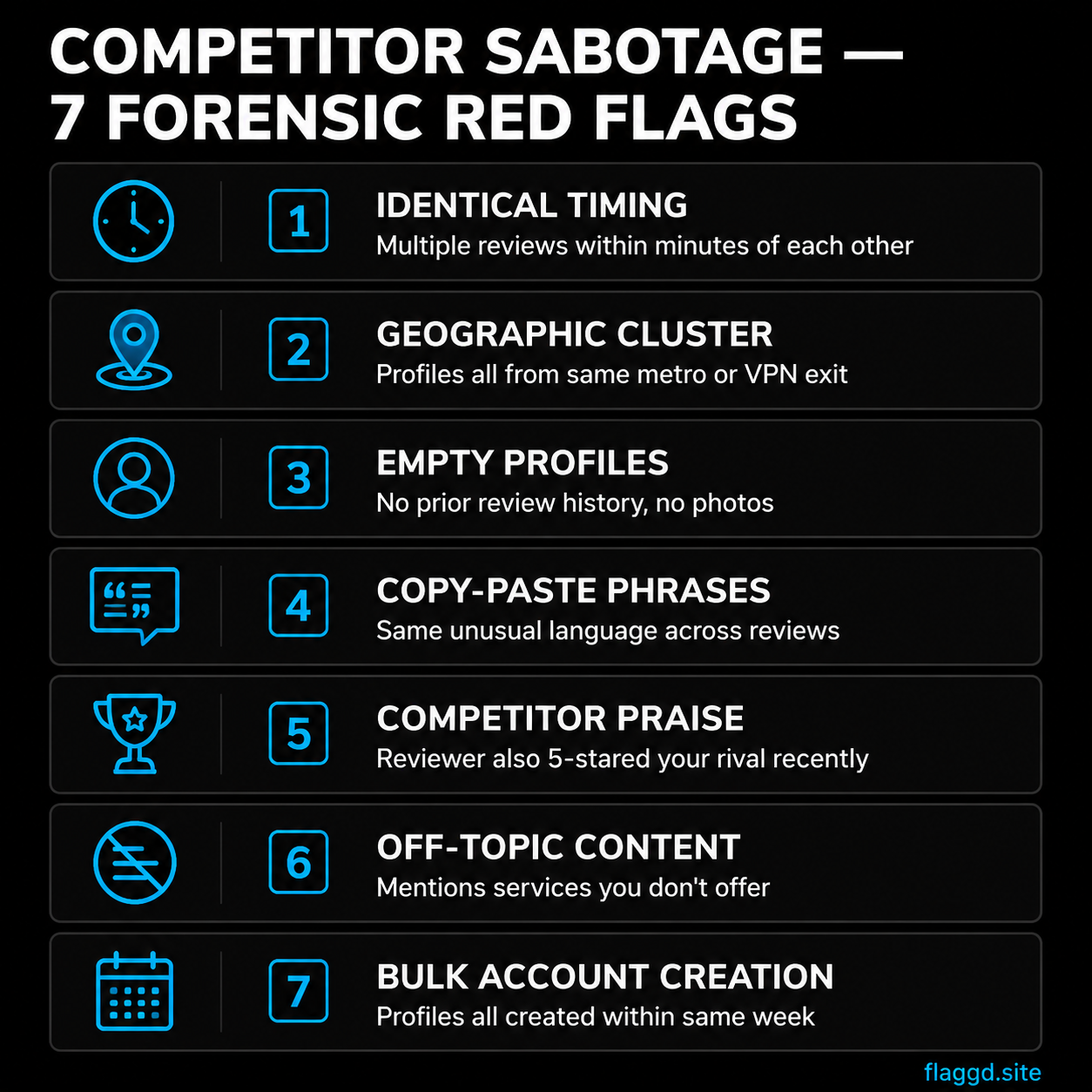
Pattern 1: Sudden 1-star flood. A natural decline in your rating happens gradually — one or two slightly lower reviews per week, usually from customers with genuine experiences and varied complaints. Sabotage happens in bursts. You wake up one morning to find three new 1-star reviews posted overnight. Then another two the next day. Then one more four days later. The timing is compressed, the ratings are uniform, and there is no observable event that would have triggered multiple genuine dissatisfied customers to review simultaneously.
Pattern 2: Identical or near-identical language. When real customers leave reviews, they use their own voice. One customer might complain about wait times, another about staff attitude, a third about pricing. Real reviews are diverse in their grievances. Fake reviews from the same source use templated language. Phrases like "unprofessional service," "would not recommend," "rude staff," and "overpriced" appear in multiple reviews nearly word-for-word. The complainers use identical punctuation patterns, the same typos, or the same grammatical quirks. Forensic linguists can identify this — most reputation management platforms flag it automatically.
Pattern 3: Accounts with no order history. Google's review system is supposed to be tied to purchase history. When a customer leaves a review, they should appear in your order history (if you are a goods seller) or appointment history (if you are a service provider). Sabotage reviewers often have zero connection to your business. They have never ordered from you, never booked an appointment, never visited. When you check Google's customer history, these accounts show "Not a verified buyer/visitor." Multiple unverified reviewers posting within a short window is a red flag.
Pattern 4: Generic, vague complaints. Real complaints are specific. A plumber customer might complain about a leaking pipe fitting from the install. A restaurant customer might criticize a specific dish or the wait time on a specific visit. Sabotage reviews are vague. "Bad service," "rip-off," "unprofessional" — these accusations have no detail. The reviewer never mentions when they supposedly visited, what service they supposedly received, or what specifically happened. Vagueness is suspicious.
Pattern 5: Timing coincidence with competitive events. Sabotage is often timed to maximize damage. Did you just announce a new location? Expect fake reviews within 48 hours. Did a local news outlet give you positive coverage? Expect a spike in fake reviews the next day. Did you win a major customer that your competitor lost? Expect a coordinated attack. This timing is rarely coincidental — the saboteur is monitoring your business and striking when impact is highest.
Pattern 6: Accounts created around the same time. If you inspect the fake review accounts themselves, they often have creation dates clustered together. Five fake reviewers with account creation dates all within a one-week window, none of whom posted reviews before the attack, is a strong signal. Real reviewers have varied account histories — some are old accounts (customers who have used Google for years), some are new (first-time reviewers). Coordinated attack accounts are typically created just before the attack, or sometimes right before, with no other activity.
Pattern 7: Coordinated targeting of your strengths. Competitors often attack a business's strongest selling point. If your main differentiator is fast service, the fake reviews attack your speed. If you are known for premium prices, they attack you for being overpriced. If customers choose you for friendly staff, the reviews attack your team. This pattern shows knowledge of your market position — it is consistent with sabotage from a competitor who studies you.
| Red flag | What it indicates | Risk level |
|---|---|---|
| 3+ reviews in 48 hours, all 1-star | Compressed attack pattern, likely coordinated | High |
| Identical or near-identical language across multiple reviews | Templated or AI-generated content, same author | Very High |
| Reviewers with zero order/visit history | Not your customer, violates platform policy | Very High |
| Vague complaints with no specific details | No genuine experience reflected, template language | High |
| Attack timed to major business announcement or news | Strategic timing, suggests monitoring and intent | High |
| Reviewer accounts all created within 1-2 weeks | Bulk account creation for attack campaign | Very High |
| Reviews attack your known market differentiators | Shows knowledge of your positioning, competitor awareness | Medium-High |
Gathering forensic evidence: IP addresses, emails, and linguistic analysis
Once you suspect sabotage, the next step is gathering the forensic evidence that will support your dispute to Google and, if necessary, your legal case against the competitor. This evidence is the foundation of everything that follows.
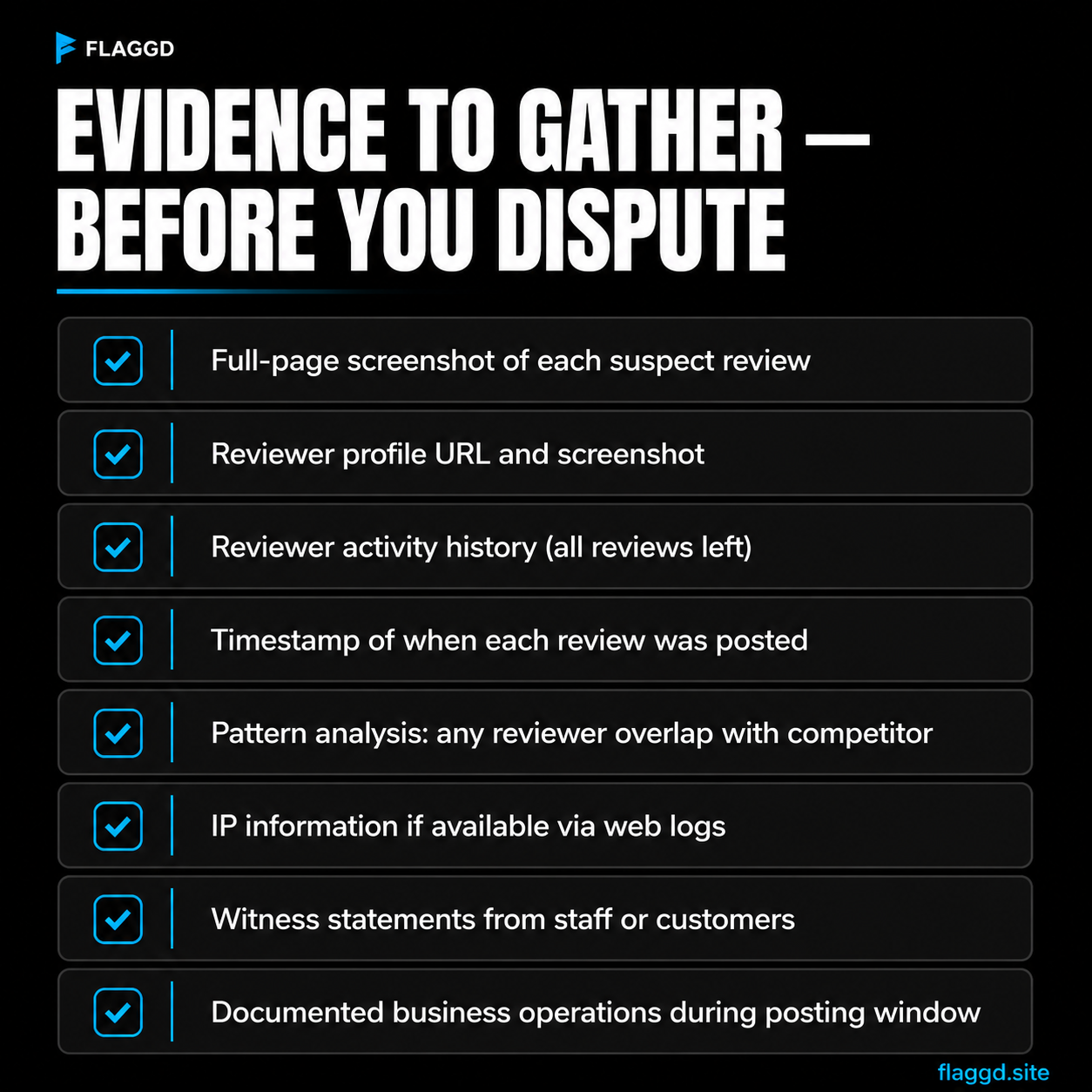
IP address logging and geolocation. Every device that connects to the internet has an IP address. When a reviewer posts a review to Google, Google's servers log the IP address of the device making the request. You cannot access that IP directly — Google controls it — but you can ask Google to provide it when you file a dispute. IP geolocation tools (like MaxMind or IP2Location) can reveal the approximate geographic location of an IP address, and in some cases, the ISP or organization associated with it. If five fake reviews all originate from IP addresses registered to your competitor's office building, or all come from the same IP address on different dates, that is powerful evidence of coordinated sabotage.
Email and account metadata. Fake reviewers often use disposable email addresses (Gmail, Hotmail) to avoid traceability. But patterns emerge. If multiple fake review accounts are tied to email addresses that share domain prefixes, or if accounts were created in rapid succession using similar naming conventions, that suggests a single person operating multiple accounts. Document the email addresses, the account creation dates, and the dates of first and last activity for each account.
Linguistic analysis and AI signatures. When AI generates review text, it leaves detectable patterns. AI writing tools produce content that lacks the messiness of human writing — it has too-perfect grammar, unusual word choices, repetitive sentence structures, and sometimes subtle templates that are invisible to casual reading but stand out under linguistic analysis. Tools like OpenAI's text classifier or GPT-2 output detector can flag AI-generated text with surprising accuracy. If multiple reviews cluster around the same linguistic markers, that suggests they were generated by the same tool or author.
Temporal clustering and timeline analysis. Create a timeline of the fake reviews. When were they posted? What events happened around those dates in your business calendar? Did you announce a new service right before the attack? Did a competitor win a customer? Did news coverage of your business drop? Temporal clustering (multiple reviews at similar times, sometimes on different platforms) combined with business events creates a narrative of intent.
Reviewer profile analysis. Inspect each fake reviewer's account. How old is the account? How many other reviews have they left? Are all their reviews on your business, or have they also reviewed competitors and other businesses? Saboteurs often create fresh accounts specifically for the attack, with zero history. Some sophisticated saboteurs try to look legitimate by seeding a few other reviews on unrelated businesses, but the timeline and concentration of activity on your business is still detectable.
Competitor intelligence and motive. Document your competitive landscape. Who are your direct competitors? Which ones have you recently outcompeted for customers? Which ones appear to have lower ratings than you? Which ones have incentive to attack you? Cross-reference the timing of your sabotage attack with any business events involving these competitors. This is not forensic evidence in the technical sense, but it supports the narrative when you file a legal claim.
When you gather this evidence, document everything in a central location. Create a spreadsheet with one row per suspicious review, with columns for: reviewer name, review text, date posted, rating, account creation date, email address, IP address (if obtainable), IP geolocation, linguistic markers, and notes. This becomes your evidence file — it is what you present to Google when you dispute, and it is what you hand to your lawyer if you pursue legal action.
Fake review signatures: how to identify AI-generated and templated attacks
As sabotage has evolved, so have the tools used to execute it. Modern sabotage often relies on AI text generation to create reviews that pass cursory inspection. Learning to recognize these signatures is critical.
The over-perfect grammar signature. Human reviewers make typos, use contractions inconsistently, and sometimes have grammar quirks. AI-generated reviews tend toward flawless grammar and polished vocabulary. If a review says "I would not recommend this establishment due to the substandard quality of service delivery," it reads like AI. A real person would more likely say "I wouldn't recommend this place — bad service." Consistency in grammar perfection across multiple reviews is a red flag.
The template signature. Many sabotage campaigns use templates: "I visited [business] on [vague timeframe] and experienced [complaint]. The staff was [negative descriptor]. I would not recommend to anyone." When you see nearly identical sentence structure and complaint format across multiple reviews, someone is working from a template, not writing original feedback.
The generic complaint signature. Real reviews are specific. Fake ones are generic. Compare: "The [adjective] service at [business]" vs. "The technician didn't show up on Tuesday like he promised, and when he finally came Wednesday, he didn't fix the initial problem." The first is templated and generic. The second is specific and convincing. Sabotage reviews cluster around generic complaints.
The word choice anomaly signature. AI tools sometimes use word choices that are technically correct but unusual for casual review writing. Phrases like "suboptimal customer experience," "inadequate service delivery," or "inferior quality" appear more in AI text than in human customer reviews. Humans more often say "the service sucked," "they didn't know what they were doing," or "waste of money."
The structural repetition signature. AI text sometimes repeats structural patterns. Multiple reviews all follow the form: [Positive opening] → [complaint] → [impact] → [final judgment]. Or they all lead with the rating before describing the complaint. This structure consistency is uncommon in genuinely diverse human-written reviews.
The temporal clustering signature. Sabotage reviews are often posted at similar times of day, as if scheduled or batched by an automated tool. Real reviews arrive throughout the day, with natural variation. If five reviews were all posted between 10:01 AM and 10:47 AM, that is suspicious. If they arrive at 8 AM, 3 PM, and 6 PM on different days, that looks more organic.
When documenting these signatures in your evidence file, include screenshots of the review text, notes on which signatures are present, and your analysis of why they suggest AI generation or templating. This analysis strengthens your dispute with Google and demonstrates due diligence to legal counsel.
Filing disputes with Google: evidence requirements and timeline
Once you have gathered your evidence, the next step is filing disputes with Google. This is not the same as responding to reviews — you are asking Google to investigate whether the reviews violate their content policy and remove them.
Which policy violations apply to competitor sabotage. Google's content policy prohibits several categories of reviews that cover sabotage. Fake reviews and fake engagement (reviews from accounts that are not genuine customers) are clear violations. Conflict of interest (reviews posted by competitors or people with undisclosed incentive to harm your business) is a violation. Spam (coordinated attack patterns, automated posting) is a violation. When you file a dispute, cite the specific policy violations.
How to file a dispute. In Google Business Profile, select the review you want to challenge. Click "Flag as inappropriate." Select the reason — for sabotage, choose "Inappropriate content," "Posted by someone without experience with this business," or "Suspicious activity / fake engagement." Add a description. This is where you provide your analysis: note the coordinated patterns, cite the linguistic markers, mention the lack of verification. For maximum impact, file disputes in batches when you have 3+ reviews to challenge simultaneously, highlighting the coordinated pattern in your description.
Evidence that accelerates removal. Google's manual review process typically takes 3-7 business days. When you include evidence in your dispute description, removals can happen faster. The most compelling evidence is: 1. Proof of no business relationship: "Reviewer is not in our order history, has never visited our location, and does not appear to be a genuine customer." 2. Coordinated pattern analysis: "This is the third review from an account created [date], in the same timeframe as [other accounts]. All three reviews use identical language: [quote]. This indicates coordinated fake engagement." 3. IP/metadata clustering: "This review originates from an IP address gelocated to [address], which correlates with other reviews in this attack pattern." 4. Linguistic anomalies: "Review text exhibits markers of AI generation [specific examples]. Multiple reviews in this batch show the same signature." When you provide this level of detail, Google recognizes you have done your homework, and removal happens more quickly — often within 24-48 hours for clear cases.
Timeline expectations. Standard dispute resolution: 3-7 business days. With detailed evidence of policy violation: 1-3 days. For clearly coordinated attacks with multiple red flags: sometimes same-day removal. After you file, Google sends you a confirmation email. Follow up if you do not hear back within 10 days.
What happens if Google denies your dispute. If Google declines to remove the review, you can appeal. The appeal should include additional evidence you may not have included in the first submission. If a second appeal fails, you have reached the limit of Google's appeal process. At that point, your remaining options are legal action (if the review contains false statements of fact) or working with a professional review management service like Flaggd that has direct relationships with Google for escalated disputes.
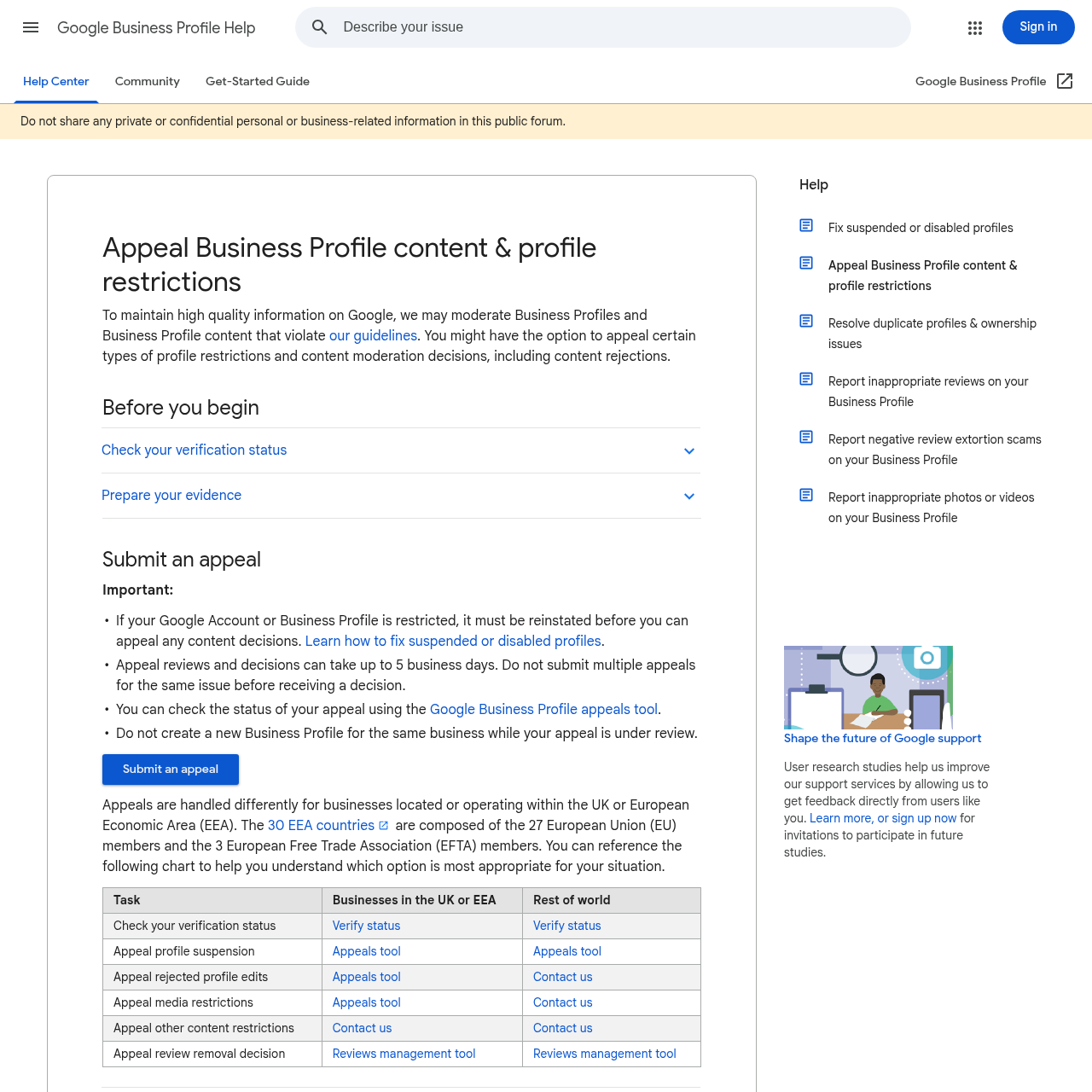
Legal action: defamation, tortious interference, and cease-and-desist letters
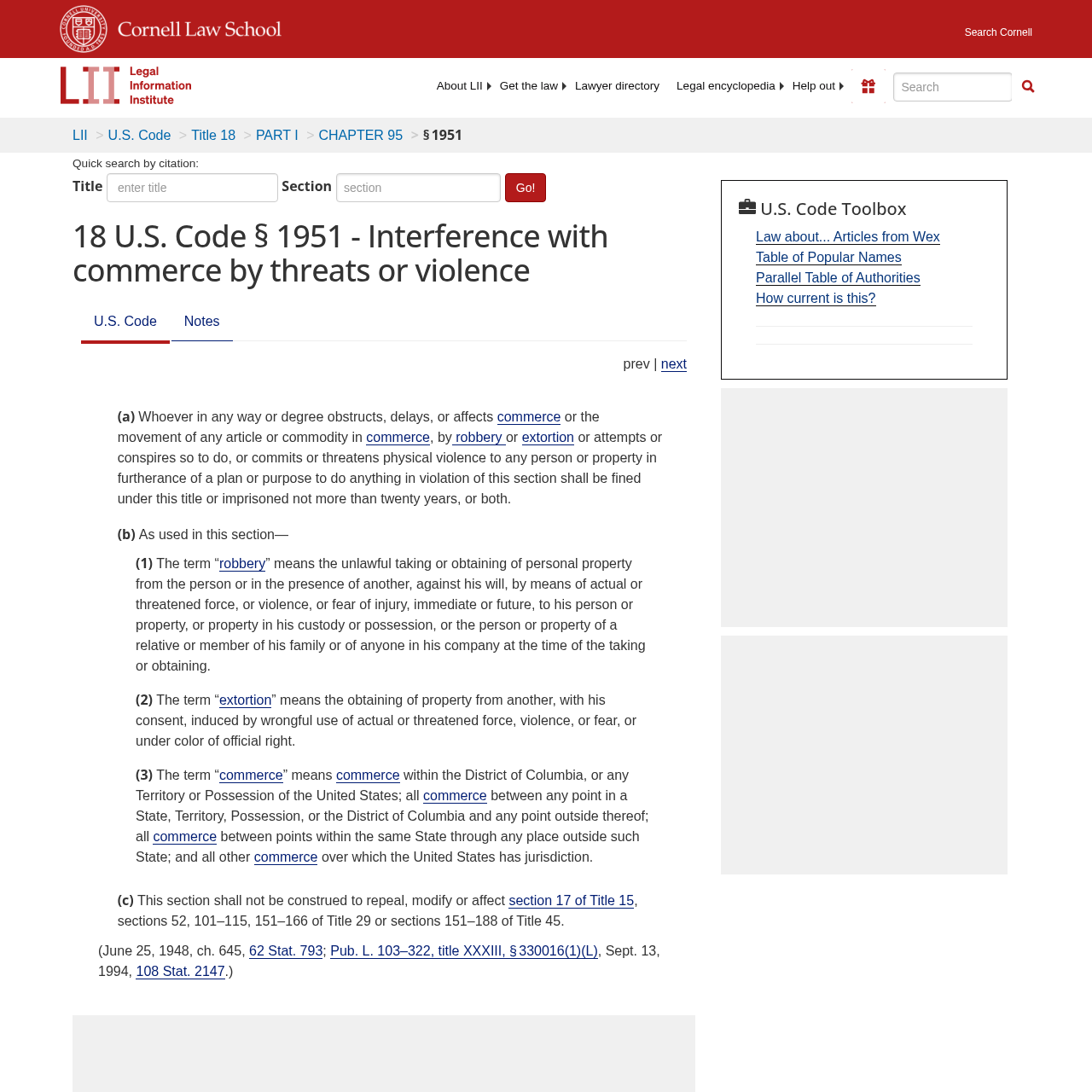
When Google disputes fail or when the sabotage is severe enough to justify legal costs, you have multiple legal remedies. The threshold is proving that the competitor posted the fake reviews, which is why the forensic evidence you gathered becomes critical.
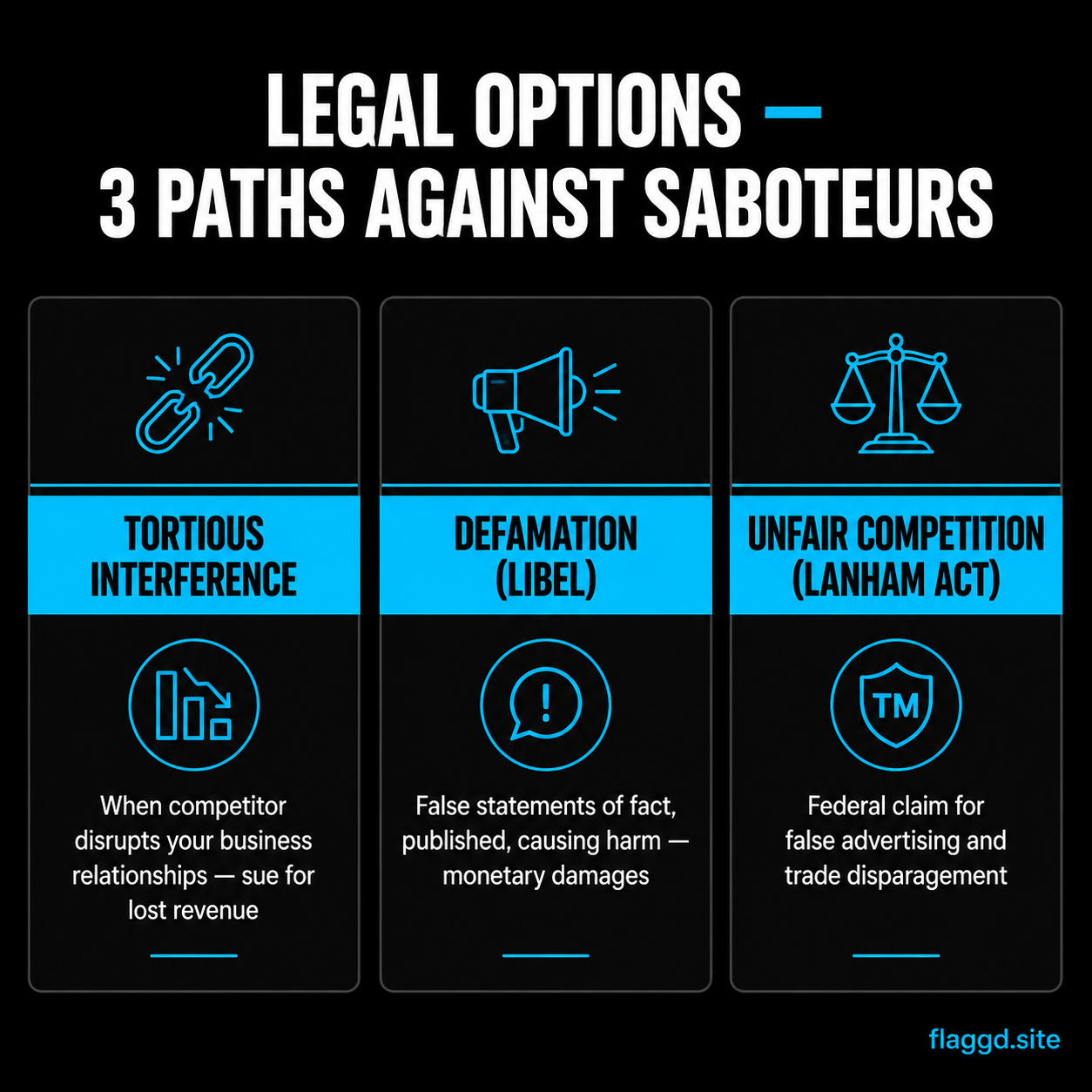
Tortious interference with business relations. This tort applies when a third party intentionally interferes with your business relationships or economic advantage through wrongful conduct. Sabotaging your reviews fits this definition: a competitor is deliberately harming your customer acquisition (your economic advantage) through wrongful conduct (posting fake reviews). To prove tortious interference, you need to show: (1) existence of a business relationship or economic opportunity, (2) the defendant's knowledge of that relationship, (3) intentional interference causing disruption, and (4) damages. Your coordinated fake review evidence proves this.
Defamation (libel in written form). If the fake reviews contain false statements of fact — not opinions, but verifiable claims ("this business commits insurance fraud," "the owner is a con artist," "they stole my money") — you may have a defamation claim. Defamation requires proving: (1) false statement of fact, (2) published to third parties (Google reviews are published), (3) fault (the poster knew or should have known it was false), and (4) damages. The bar for proving a statement is false rather than opinion varies by state. Consult a lawyer familiar with your state's law.
Unfair competition. Most states have unfair competition statutes that prohibit wrongful competitive practices. Posting fake reviews to damage a competitor's rating and customer acquisition can qualify. Unfair competition claims sometimes do not require proving the false statement (like defamation does) — only that the conduct was wrongful and caused harm.
Cease-and-desist letters. Before filing a lawsuit, most attorneys recommend sending a cease-and-desist letter. This letter should: - Include specific evidence of the competitor's sabotage (review links, screenshots, your forensic analysis) - Cite the legal theories (tortious interference, defamation, unfair competition) - Demand that they stop posting reviews and remove existing ones within 30 days - Warn that failure to comply will result in legal action and damages claims - Include your attorney's contact information A cease-and-desist sometimes resolves the issue without litigation. Many competitors back down when faced with documented evidence and legal threat. If they ignore it, you have evidence of bad faith for your lawsuit.
Damages and recovery. If you win a tortious interference or defamation case, you can recover compensatory damages (lost customers, lost revenue directly attributable to the reviews), punitive damages (in some states if the conduct was particularly egregious), and attorney fees (if your state's law allows it). To calculate damages, document: lost revenue during the attack period (compare to the same period the previous year), customer inquiry drop (if trackable), and cost of reputation recovery (removal services, legal fees).
Cost-benefit analysis. Legal action is expensive. A tortious interference or defamation lawsuit can cost $5,000–$20,000+ depending on complexity and how far you go. The decision to sue should be based on: severity of damage (how much revenue did you lose?), strength of evidence (how confident are you the competitor did it?), competitor financial status (can they pay a judgment?), and emotional investment (is this worth the time and stress?). For many small businesses, Google disputes + cease-and-desist letter is sufficient to stop the attack and move on. For larger businesses with significant damage, legal action is justified.
Prevention and ongoing detection: automated systems and competitive intelligence
The best defense against sabotage is early detection. Once you catch an attack within hours, you can dispute it before the reviews do significant damage to your rating.
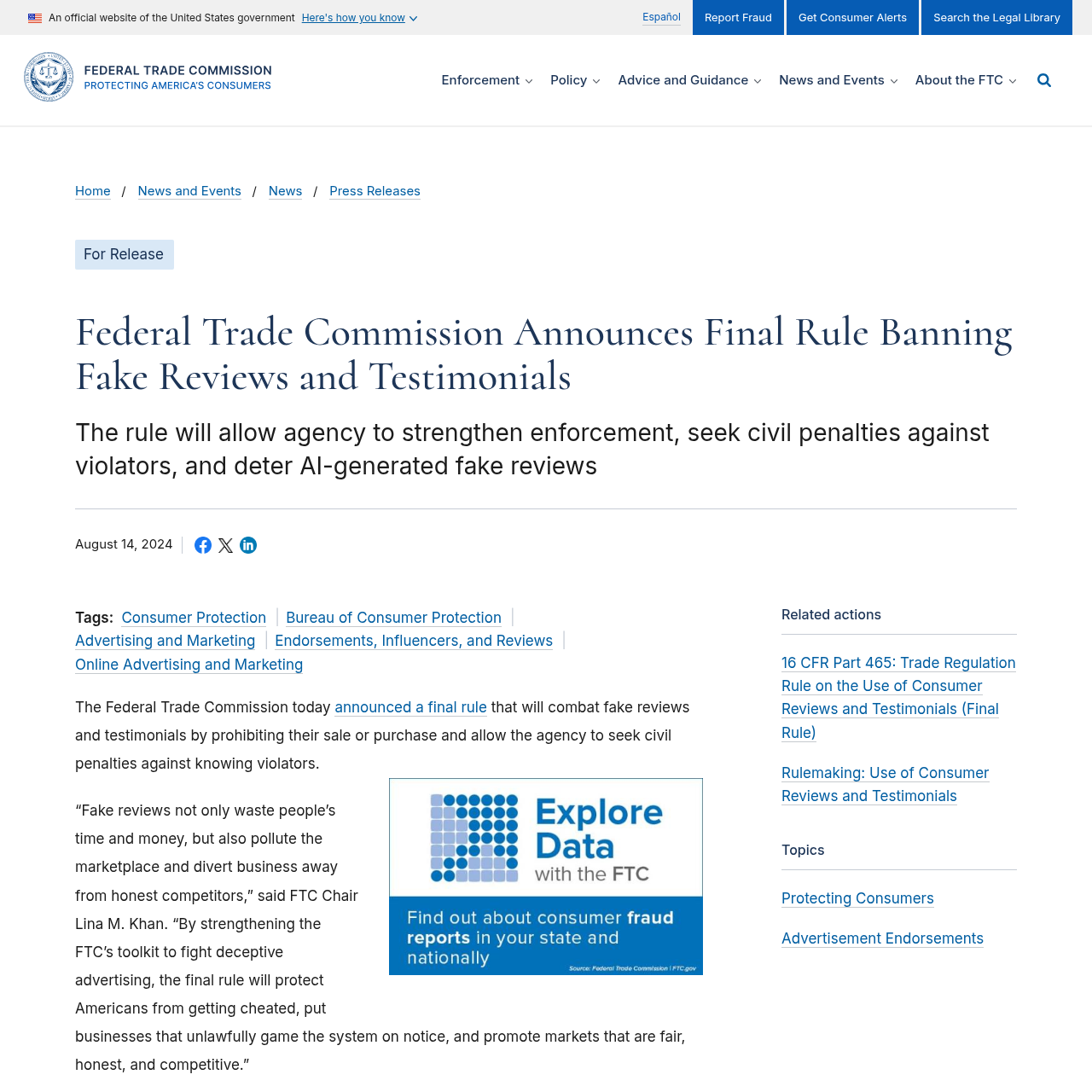
Automated reputation monitoring. Reputation management platforms continuously monitor your Google and third-party reviews, track rating changes, and send alerts when new reviews arrive. The best systems use machine learning to flag suspicious reviews automatically — clustering by language similarity, identifying AI signatures, and detecting timing anomalies. When the system detects a potential sabotage pattern (multiple reviews in 48 hours, high linguistic similarity), you get an alert immediately, not after your rating has already dropped 0.5 stars.
Competitive intelligence and benchmarking. Monitor your competitors' review activity. When do they post positive reviews? (Timing coincidence with your own fake review attacks is suspicious.) What is their rating trend over time? If a competitor's rating suddenly improves by 0.5+ stars over a week, with multiple new 5-star reviews, that may indicate they are using incentivized review services — and they may also be the type to pursue sabotage. Tracking competitor activity helps you identify threats early.
Network-level monitoring. If you operate multiple locations or franchises, centralize your review monitoring. A competitor might attack one location to test whether you respond. If you catch it early across your network, you can identify patterns faster. Some sabotage is targeted (one location), some is distributed (hitting multiple locations to maximize damage and avoid detection).
Customer communication and inoculation. Inform your real customers about sabotage risk. "We are aware that some of our reviews may not reflect genuine customer experiences. If you have had service from us and your experience was positive, we'd appreciate a review." This does not violate Google's policy (you are not review gating or offering incentives) and helps offset sabotage damage by encouraging legitimate reviews.
Team training and escalation protocols. Train your team to report suspicious reviews immediately. Create an escalation protocol: if a team member sees multiple negative reviews in one day, they flag it for review investigation. If the investigation confirms sabotage patterns, you file disputes within 24 hours. Speed matters — the faster you dispute, the faster Google removes, and the less damage accrues.
- →Google review extortion and scam defense guide
- →How to remove Google reviews left by competitors
- →Can you sue for a fake Google review?
- →AI-generated fake reviews: the threat to local businesses
- →How to document evidence for a Google review dispute
- →Google review defamation: when reviews cross the legal line
Frequently asked questions
Competitor sabotage is increasingly common, but it leaves forensic signatures. Coordinated timing, identical language, AI markers, unverified accounts, and IP clustering are all detectable patterns that distinguish sabotage from organic negative reviews. Your job is to recognize those patterns early, gather the evidence systematically, file disputes with forensic analysis, and escalate to legal action if Google disputes fail and the damage is significant. Speed matters — the faster you detect and dispute, the less damage accrues to your rating and your business. When you combine automated monitoring (for early detection) with manual forensic analysis (for evidence gathering), you can turn a sabotage attack into a documented case that either resolves through Google removal or strengthens your legal position if you decide to pursue tortious interference or defamation claims. The most effective defense is not just reacting to sabotage — it is building a reputation infrastructure that detects attacks in hours, not days, and responds with forensic evidence that Google recognizes and acts on immediately.